ACT I · THE BIRTH OF ROULETTE
Every spin has a story.
Roulette means “little wheel” in French. Its story is bigger than its name: a mathematician’s curve, French gaming rooms, a missing zero and a casino on the Mediterranean. Follow the wheel back through time.
Begin the storyRoulette · French for “little wheel”
1658 · THE PASCAL STORY
Who invented roulette?
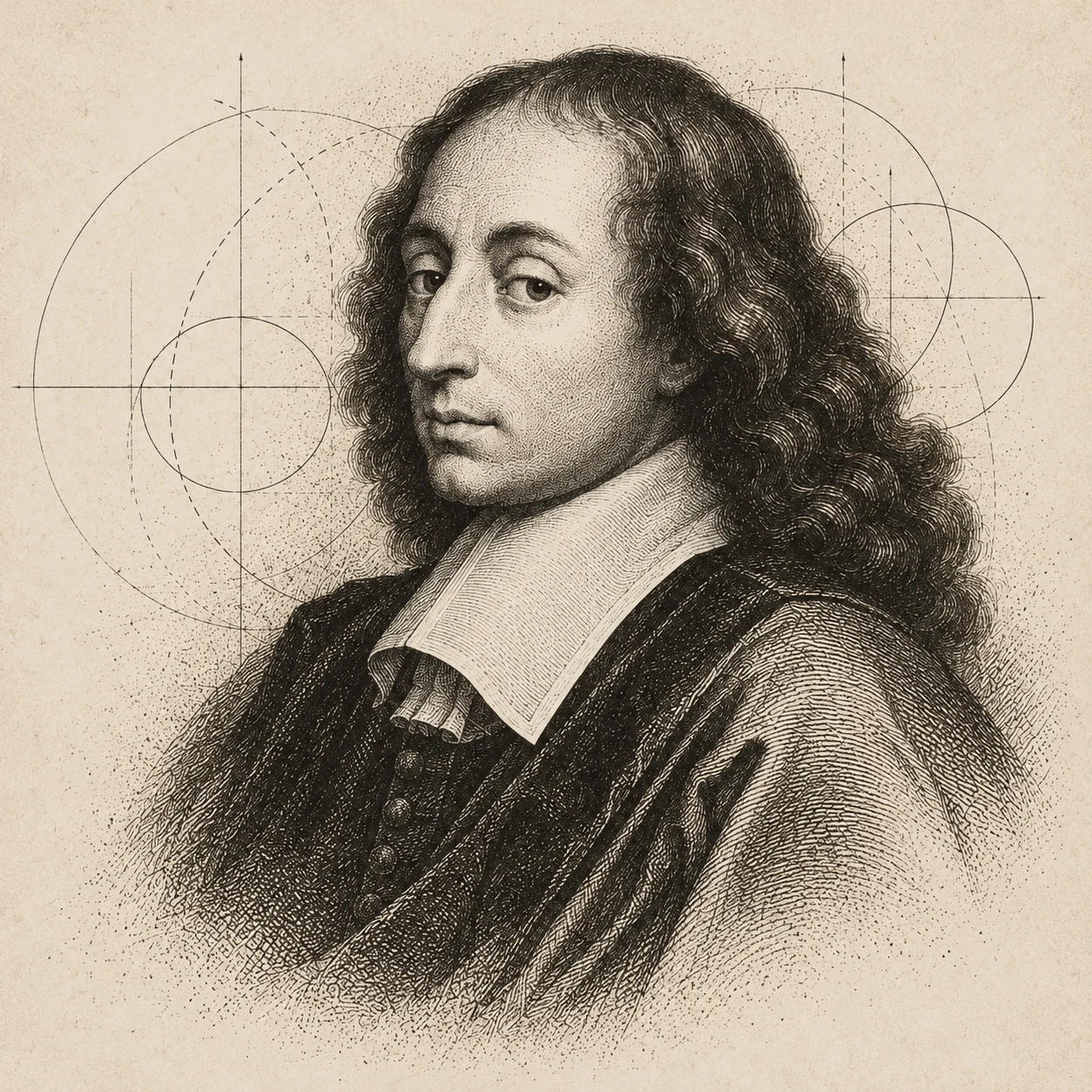
In 1658, Blaise Pascal published Histoire de la roulette. His subject was the cycloid: the curve traced by a point on a rolling circle. The famous casino connection is much less certain. ETH Library describes the claim that Pascal invented the game as a likely misunderstanding.

A point on a rolling circle traces a cycloid.
A closer look
1658 · THE PASCAL STORY
“Roulette” was also a name for the cycloid. Pascal studied its geometry and published work on it in 1658. That establishes what this document discusses. It does not establish that he invented the casino game. The distinction matters when a familiar origin story is repeated as fact.
FRANCE · 18TH CENTURY INTO THE 1800s
A game takes shape.
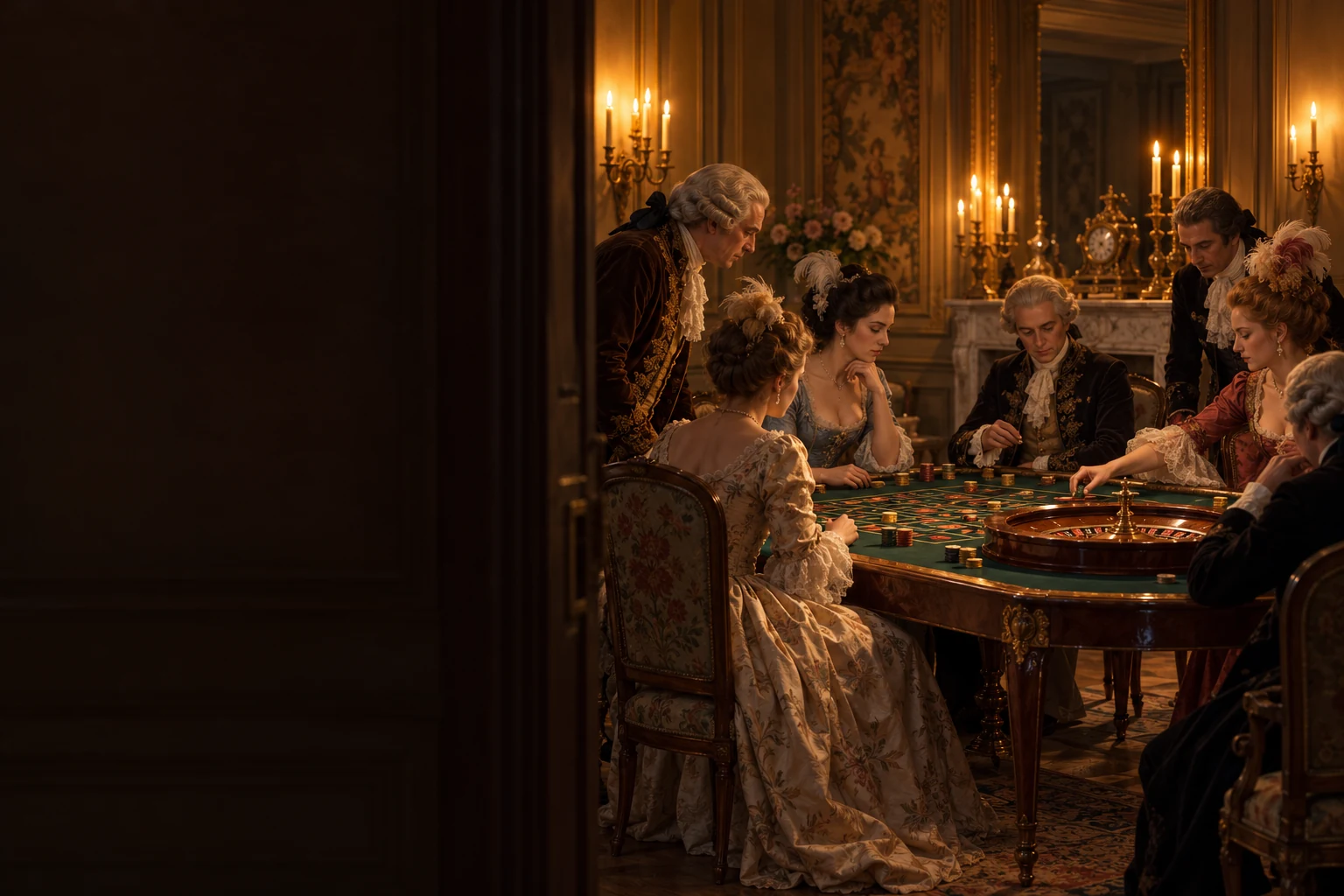
In eighteenth-century France, roulette began to take the form we recognise. By 1802, it was the subject of Jacques Lablée’s novel La roulette, ou Histoire d’un joueur. Imagine the room: the wheel turning, the table crowded, every eye following the ball.
About the book
Jacques Lablée · La roulette, ou Histoire d’un joueur · Paris edition, 1802
The title translates as “Roulette, or the story of a gambler.” The edition identified here was published in Paris in 1802. It gives us a literary object from the period. Its publication date is not the date roulette was invented, and this room is an artistic reconstruction.
An imagined French gaming room · Late 18th century
19TH CENTURY · THE BLANCS
One pocket changes the game.
François and Louis Blanc opened their Homburg casino in 1841. François later became closely associated with single-zero roulette. The difference is just one pocket, but it changes the odds: with the same 35:1 payout on a number, the house edge falls from 5.26% to 2.70%.
Homburg
A comparison of pocket counts, not an original nineteenth-century wheel.
Single-number bet · 35:1 profit payout · Equal chance for each pocket
How the numbers work
19TH CENTURY · THE BLANCS
A winning 1-unit bet pays 35 units in profit and returns the original stake: 36 units in total. With 38 equally likely pockets, its average return is 36/38 of the stake. With 37, it is 36/37. The difference is the house edge. These are long-run averages for this bet, not a prediction for one spin.
MONACO · 1863–1879
A casino becomes a destination.
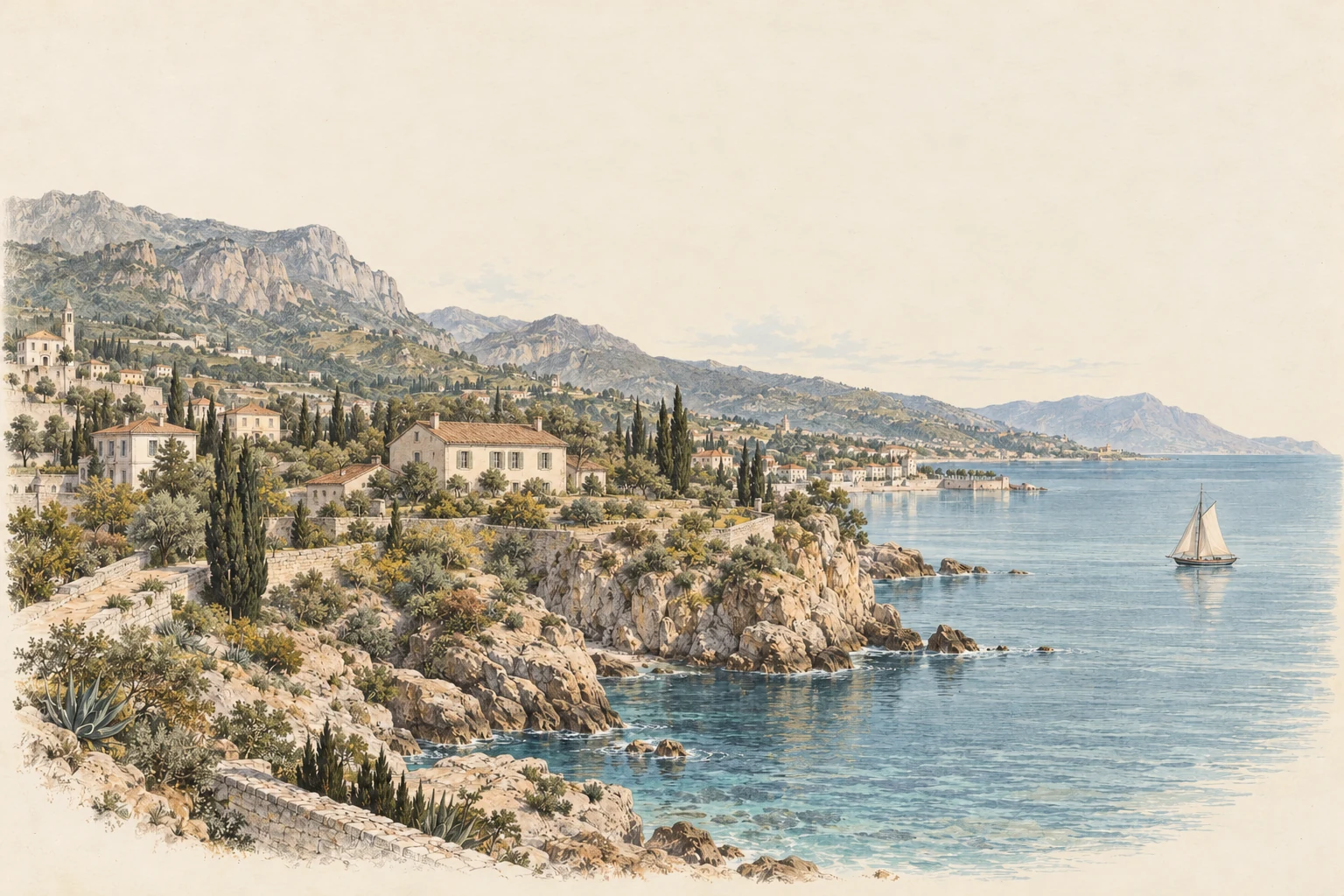
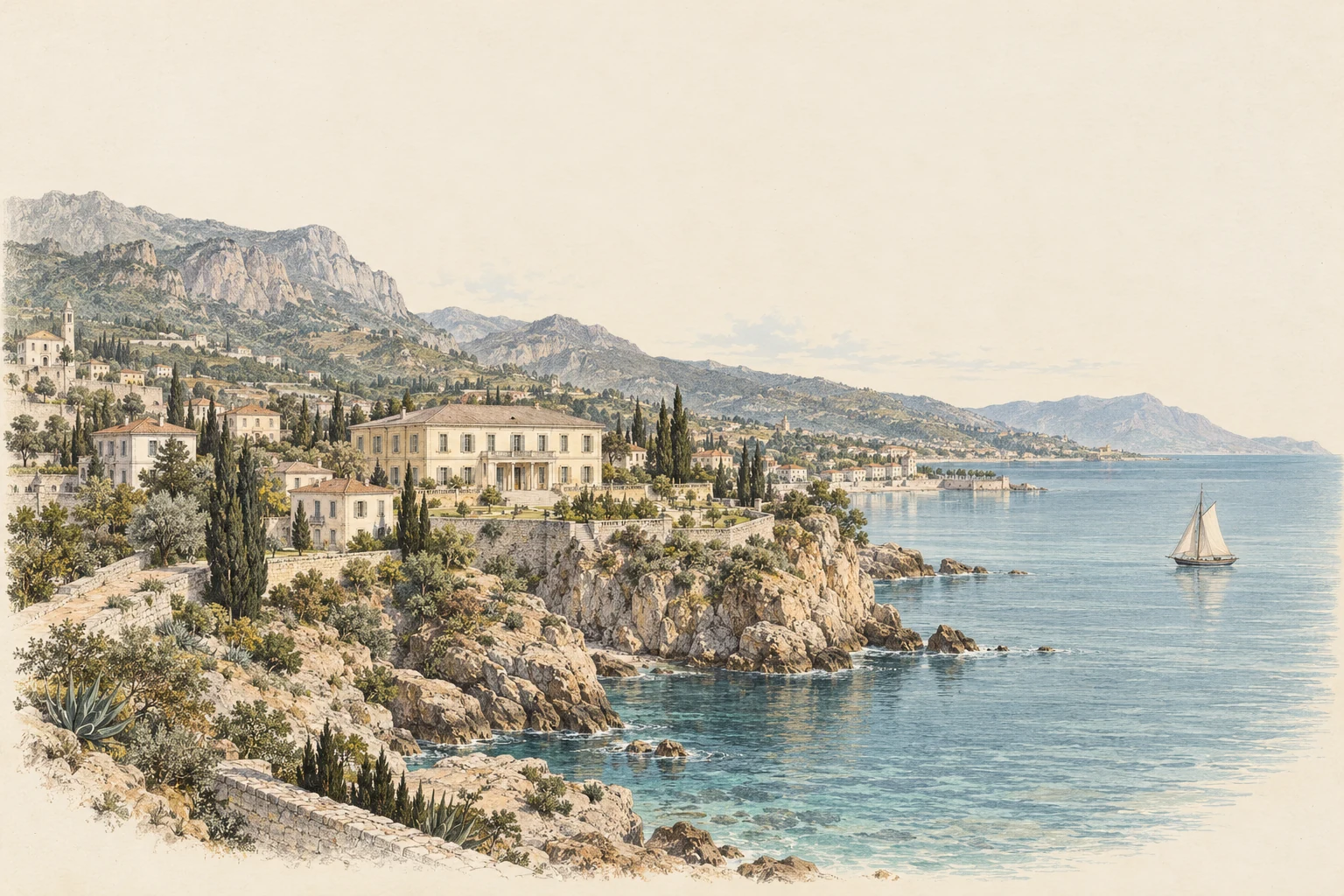
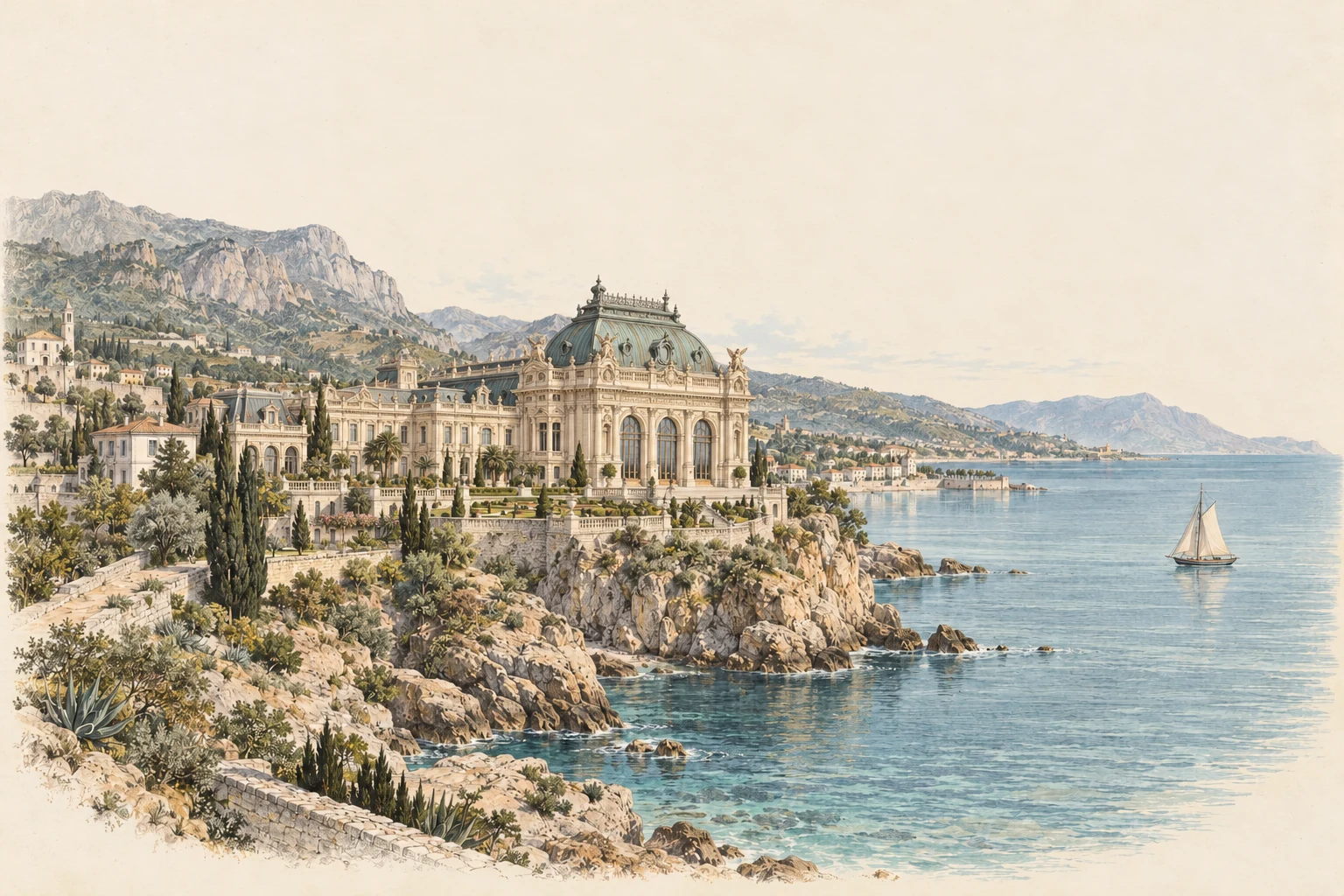
In 1863, François Blanc took charge of the Société des Bains de Mer in Monaco. Hotels, gardens and a casino helped shape a new destination. It received the name Monte-Carlo in 1866. The lavish landmark we recognise today continued to take shape in the decades that followed.

1863 · The Société des Bains de Mer is founded.
1866 · The district receives the name Monte-Carlo.
1879 · The opera opens following Charles Garnier’s building work.
Artistic interpretations of the period · Not exact architectural reconstructions
Elsewhere, earlier…
NEW ORLEANS · 1835
One game. Two traditions.
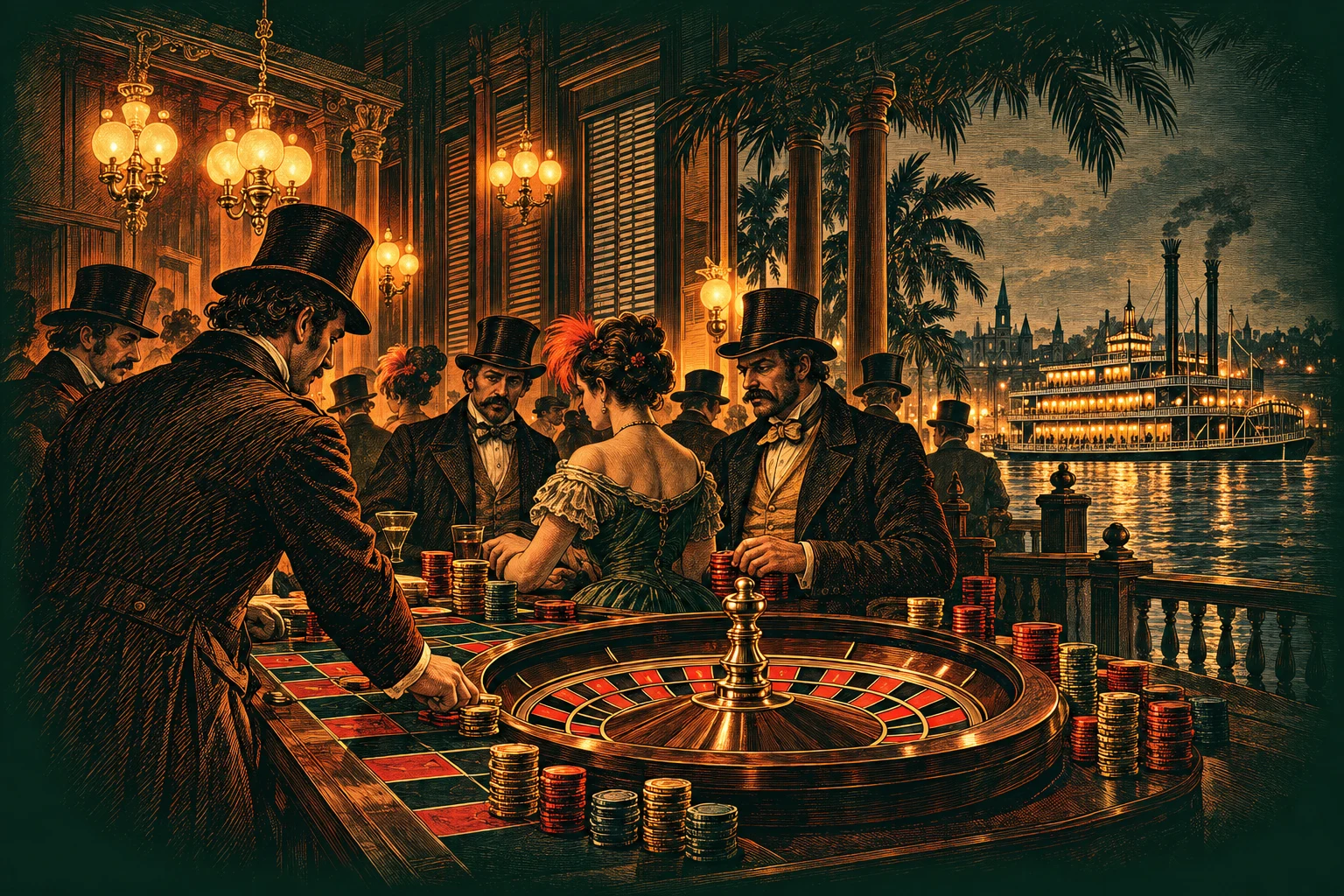
Across the Atlantic, the story was already under way. In 1835, Joseph Holt Ingraham described a New Orleans roulette wheel with numbers up to 36, plus zero and double zero. That was decades before Monte-Carlo received its name. The wheel’s history has branches. Its details matter.
Read the 1835 description
J. H. Ingraham · The South-West, Volume I · 1835
Ingraham describes “two squares additional, in one a single cipher, in the other two ciphers”. Here, “cipher” means zero. This is evidence of a double-zero wheel in his account of New Orleans. It does not tell us when roulette first arrived in America or what every American table looked like.
J. H. Ingraham · The South-West, Volume I · 1835
You know the story. Now look inside the wheel.
NEXT · INSIDE THE WHEEL


